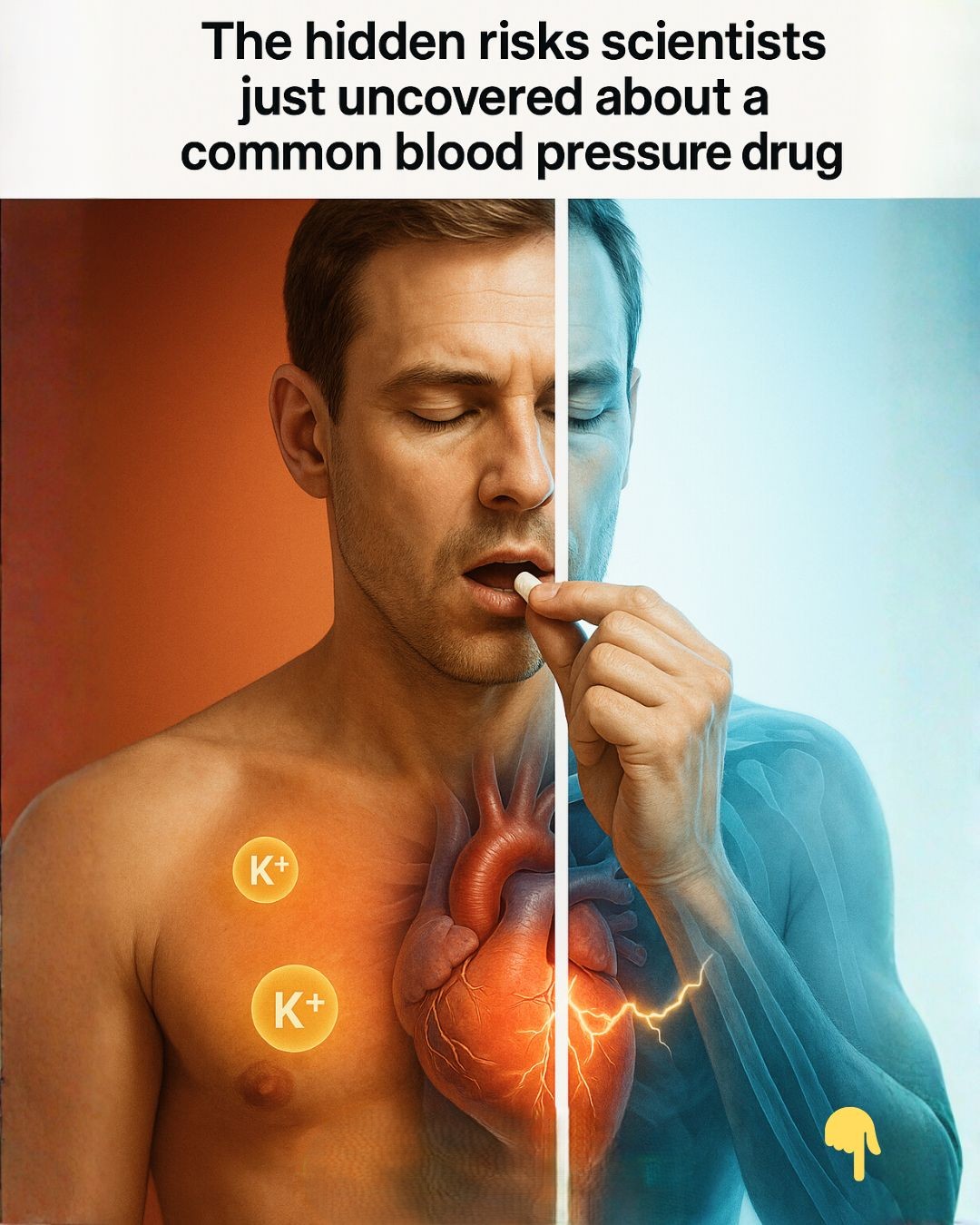
If you’re one of the millions of people taking daily medication to control high blood pressure, a new study from Columbia University has a message you’ll want to hear. Researchers have taken a closer look at a long-trusted medication, chlorthalidone, and found that it may carry more risks than a similar, widely used drug. This new information highlights the importance of understanding your treatment and having open conversations with your doctor.
High blood pressure, or hypertension, is a serious condition where the force of blood against your artery walls is consistently too high. Over time, this can damage your heart, brain, and kidneys. To manage this, doctors often prescribe diuretics, also known as “water pills,” which help your body get rid of extra salt and water, lowering your blood pressure. For years, chlorthalidone has been a go-to choice, but this new research suggests it’s time for a second look.
Key Takeaways
A massive study compared two common blood pressure drugs: chlorthalidone and hydrochlorothiazide.
Patients taking chlorthalidone were three times more likely to develop low potassium levels, a potentially serious side effect.
Both drugs were equally effective at preventing heart attacks and strokes.
If you take chlorthalidone, it’s crucial to talk to your doctor about regular blood tests to monitor your potassium and kidney function.
A Tale of Two Water Pills
For decades, doctors have relied on chlorthalidone as a powerful tool against high blood pressure. It’s known for staying in the body longer than other diuretics and has been considered a top choice for protecting against heart disease and stroke. However, another similar water pill, hydrochlorothiazide, is also widely used and works in a similar way. To see how these two drugs stacked up in the real world, researchers at Columbia University analyzed the medical records of over 730,000 people treated for hypertension over 17 years. They wanted to know if one was truly better—or riskier—than the other.
ADVERTISEMENT
