Surprised to see alcohol on the list? You’re not alone. Despite its social acceptance, alcohol is a verified Group One Carcinogen—placing it in the same risk category as tobacco for cancer. Studies show alcohol increases the risk for at least seven types of cancer, including:
- Breast
- Colorectal
- Esophageal
- Liver
- Mouth and throat
Drinking just one alcoholic drink per day increases your cancer risk by about 9%. Three drinks per week (a little less than one every other day) pushes the risk to 4%. And, yes—that includes red wine. There’s no magic in wine that counteracts alcohol’s risks; any potential antioxidants can be found in abundantly healthier sources, like berries or grapes.
5. Practical Ways to Reduce Your Exposure
You might be thinking, “I’ve already made so many changes—do I really have to give up more?” This isn’t about living in fear or deprivation. It’s about making the healthiest choice most of the time and being empowered, not restricted.
Here’s what helps:
- Don’t keep processed meats as a staple at home. Use them for special occasions only.
- If you want to lower your alcohol intake, try low or non-alcoholic alternatives, or save drinks for significant social events only.
- If alcohol has become a coping mechanism, explore healthier routines—think walks, reading, or connecting with supportive friends.
6. Focus On What You Can Enjoy—Without Fear
The truth is, spending energy stressing over “hidden dangers” in everyday foods isn’t helpful. There’s simply no strong evidence that everyday foods like dairy, soy, gluten, or regular meats cause cancer when eaten in moderation as part of a balanced diet.
Instead, put your effort into eating a colorful variety of whole foods—lots of veggies, whole grains, lean proteins, and healthy fats. Allow yourself to enjoy food again, guilt-free.
7. Strategy Over Restriction
The best way to protect your health is to eat with purpose, not out of fear. Elimination diets and rigid rules aren’t sustainable, and they don’t make you healthier if based on myths.
It’s about making informed choices and allowing flexibility. For example, enjoy a rare holiday meal with bacon or toast a special occasion with a glass of wine, knowing it’s not an everyday occurrence.
Conclusion: Eat Smart, Live Free
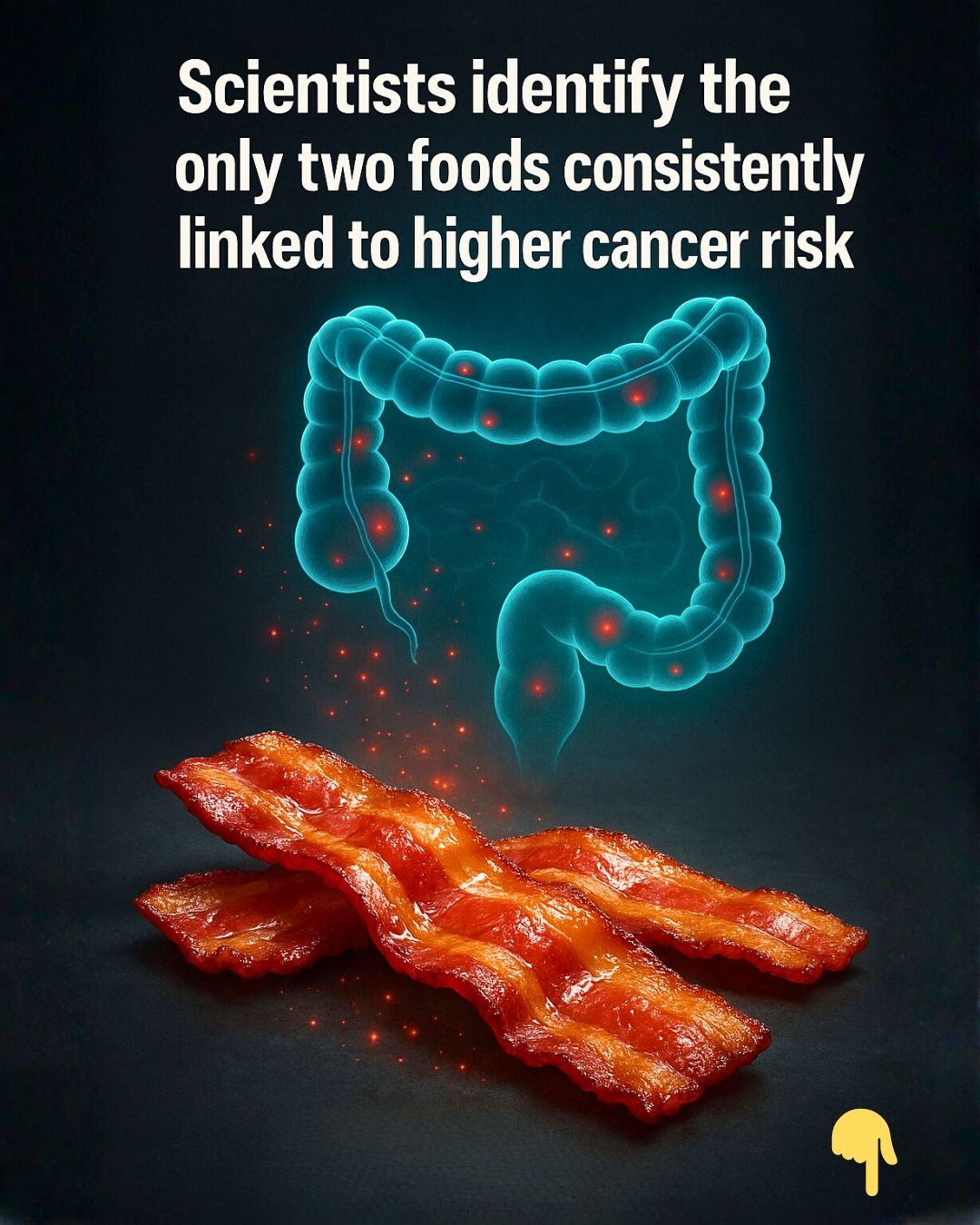
There’s so much confusion out there about what causes cancer—but it really comes down to processed meats and alcohol. Everything else doesn’t deserve the stress! Focus on balanced meals, let go of food guilt, and live with confidence and happiness. If you’re navigating cancer recovery or just want to stay healthy, remember: the power is in your daily choices, not in fear or restriction.
ADVERTISEMENT
