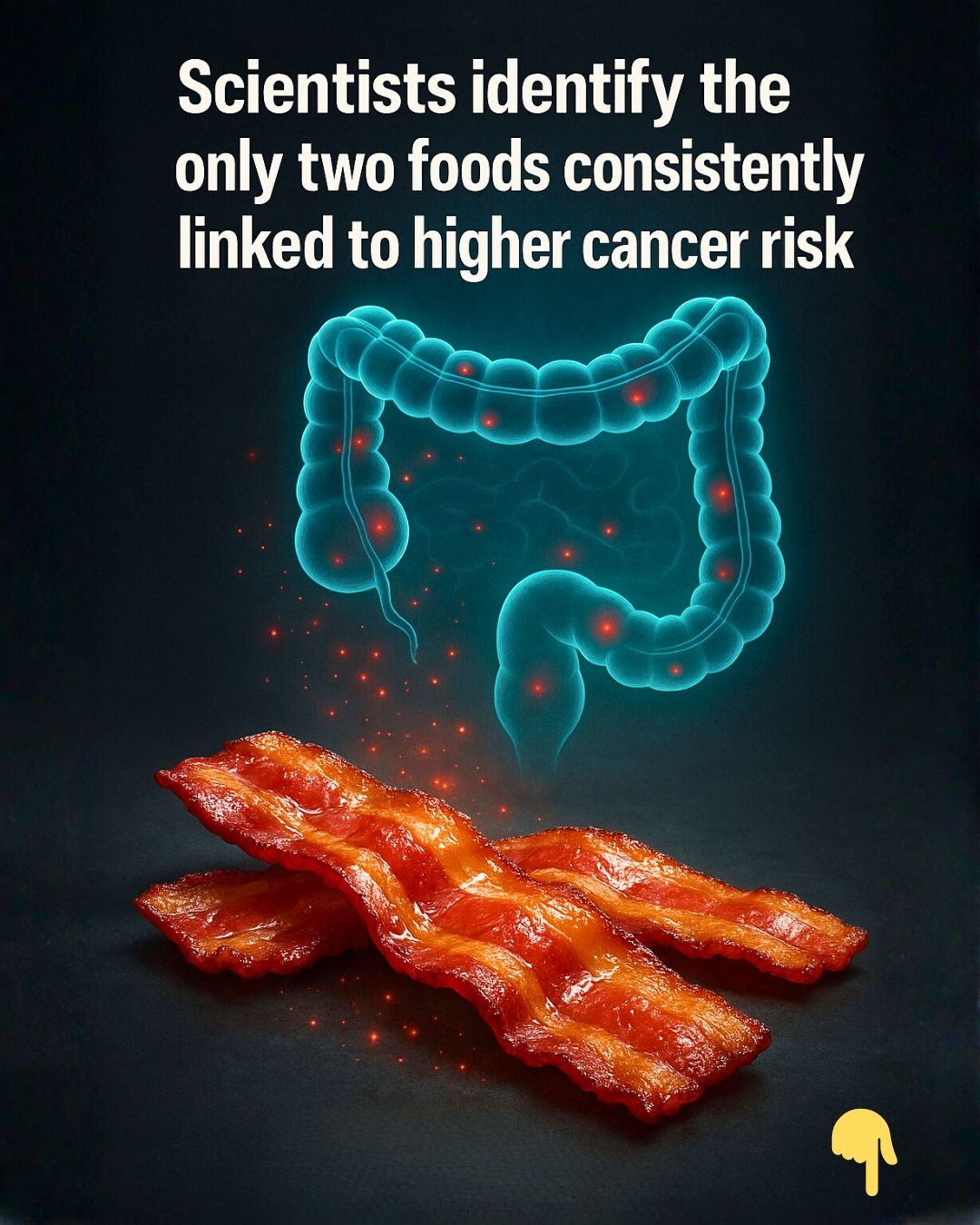
Have you ever felt overwhelmed by all the health advice out there? It seems like every day there’s a new headline: “Sugar causes can-cer!” “Dairy is deadly!” “Don’t eat meat or you’ll get cancer!” But what if I told you that, based on the latest science, only two specific foods are clearly and consistently linked to an increased risk of cancer? Wouldn’t you want to know which they are so you can make confident, informed decisions without living in fear? Let’s dive in and separate fact from fiction, so you can protect your health with clarity and peace of mind. (Based on the insights of Dr. Amy – Cancer Researcher & Survivor)
Key Takeaways
- Only processed meat and alcohol have a strong, clear link to increased cancer risk.
- Many commonly-feared foods (like sugar, dairy, soy, and regular meats) are not clearly linked to cancer, according to current scientific evidence.
- Focusing on a balanced, whole food diet—and not living in fear or deprivation—is the best approach to long-term health.
1. Cut Through the Confusion: What Truly Increases Can-cer Risk?
If you’re a cancer survivor or just someone who wants to reduce future cancer risk, you deserve clear, evidence-based advice—not fear-mongering. The topic of food and cancer is full of myths. The good news is, the latest research shows only processed meats and alcohol stand out as consistently and conclusively raising cancer risk. Everything else is up for debate, or simply not supported by strong evidence.
2. Myth Busting: Sugar, Soy, Meat, and Dairy Don’t Deserve the Blame
Let’s address the elephant in the room:
- Sugar: Yes, cancer cells use glucose (a simple sugar) for energy, but so does every other cell in your body. Cutting out all sugar won’t “starve” cancer cells—they’ll just find another fuel source. What matters most is your overall diet and maintaining steady blood sugar levels. Natural sugars from whole foods like fruit are not the enemy.
- Soy: Soy contains phytoestrogens, which are similar to estrogen but not identical. Consuming soy doesn’t raise your body’s estrogen levels. In fact, clinical studies show that moderate soy intake lowers your risk of breast cancer recurrence—even if your initial cancer was hormone positive.
- Red Meat & Dairy: Regular, unprocessed red meat consumed in moderation does not increase cancer risk. It’s processed meat that’s the problem. Likewise, there’s no convincing evidence tying normal dairy consumption to higher cancer risk.
3. Processed Meats: The Number One Food to Avoid for Can-cer Prevention
Processed meats are meats that have been salted, cured, smoked, or otherwise altered to prolong shelf life or change flavor. Examples include:
- Deli meats (ham, salami, bologna, turkey breast)
- Hot dogs and sausages
- Bacon
- Beef jerky
Why the concern? Large population studies have found that eating just 50 grams of processed meat per day—about two slices of bacon or one deli meat sandwich—increases your cancer risk by 18%. This link is especially strong for colorectal, breast, and even lung cancer.
What’s at fault? Preservatives like nitrates and nitrites, commonly found in processed meats, can turn into compounds that damage DNA and promote cancer development once inside your body. Even “nitrate-free” processed meats may not be safer, as they often use other preservatives or natural nitrates.
Bottom Line: Make processed meats a rare treat, not a daily habit. Enjoy bacon at a special brunch occasionally, but don’t keep deli meats stocked at home.
4. Alcohol: Not Just a Drink—A Group One Carcinogen
ADVERTISEMENT
ADVERTISEMENT
