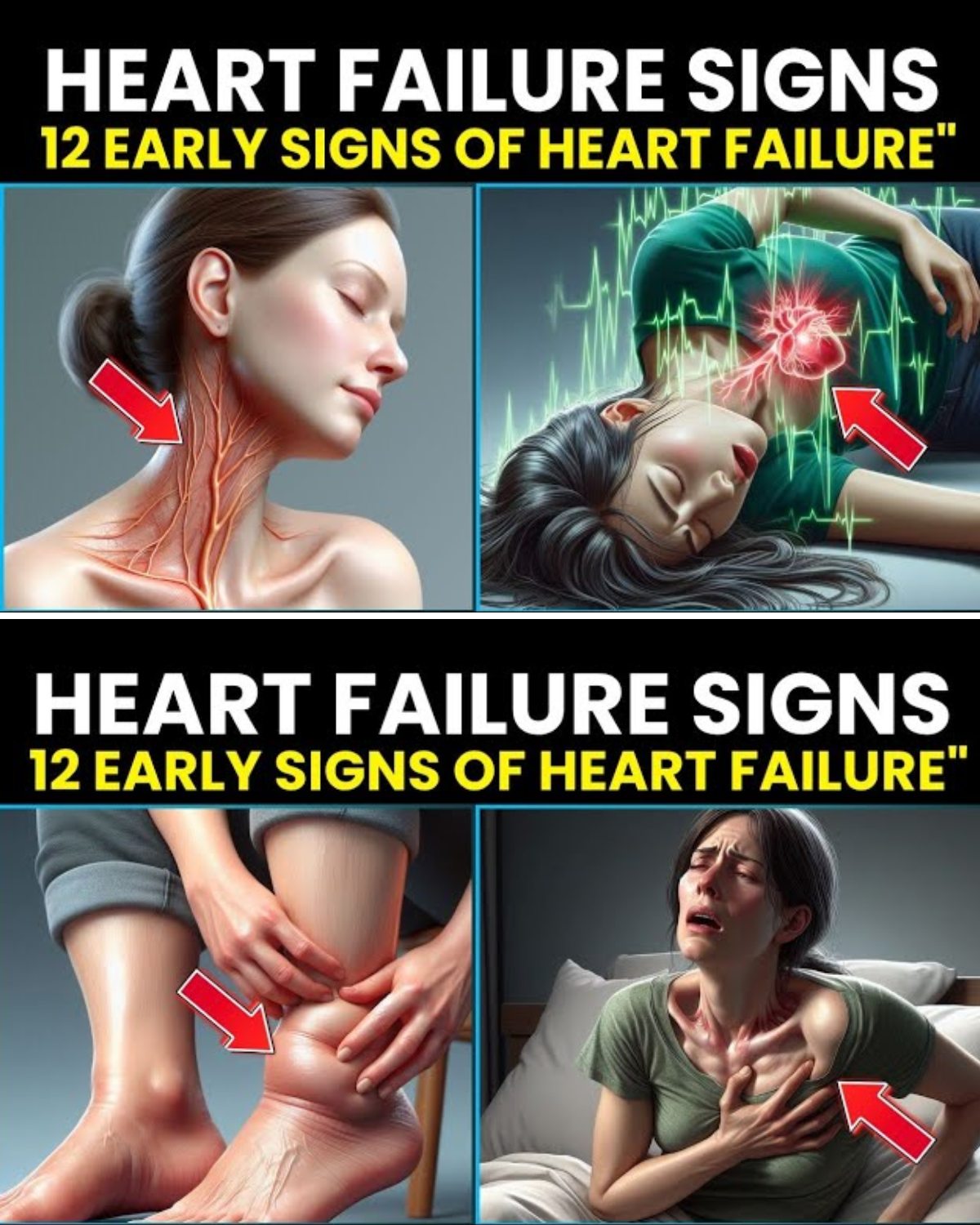
If you gain several pounds over a short period, it may not be fat—it could be fluid. Rapid changes like this often happen quietly. Clothes feel tighter, rings become harder to remove and you may feel “heavier” without knowing why. Many ignore this sign completely, but it’s one of the key early clues. And now, we reach the last two signs—often the most dramatic.
2. Chest Pressure or Tightness
Not sharp pain, but pressure. A heaviness. A squeezing feeling that comes and goes. Some people mistake it for heartburn or indigestion. Others feel it when they climb stairs or even when they rest. It doesn’t always indicate heart failure, but it’s a sign worth noting. And finally, the sign that often pushes people to seek help.
1. Difficulty Lying Flat Without Feeling Breathless
If you need more pillows to sleep or feel pressure in your chest when lying down, this may be your body signaling that fluid is shifting. Many people describe relief when they sit upright. This is one of the strongest early signs, and one that should never be ignored.
Quick Comparison Table of Early Warning Signs
| Sign | What You Might Notice | When It Appears |
| Fatigue | Feeling tired doing simple tasks | Early |
| Shortness of breath | Trouble breathing during activity/rest | Early to moderate |
| Swelling | Puffy ankles/legs | Early |
| Palpitations | Irregular heartbeat | Variable |
| Night breathlessness | Waking up needing air | Moderate |
Safe Action Steps You Can Take
| Step | Description |
| Monitor symptoms | Write down what you feel and when |
| Maintain hydration | Support general wellness |
| Reduce stress | Breathing exercises or short walks |
| Seek medical guidance | Especially if symptoms arise suddenly |
Final Thoughts and Call to Action
The most important takeaway is simple: your body speaks, and you have the power to listen. These 11 signs don’t necessarily mean heart failure is developing, but they are signals worth paying attention to. You’ve already taken the most important step by learning about them. Now imagine how many others could benefit from knowing this information before symptoms become harder to manage.
If you found this helpful, share it with a friend or family member who may be ignoring the same signs right now. Awareness doesn’t just inform—it empowers.
This article is for informational purposes only and does not replace professional medical guidance. If you notice persistent or worsening symptoms, consider speaking with a qualified healthcare provider.

